Choosing a wellness clinic can feel overwhelming—especially when so many practices offer different services, philosophies, and approaches to care. From aesthetic-focused clinics to supplement-driven programs, the term “wellness” can mean very different things depending on where you go.
So how do you know which type of care is right for you?
Understanding what to look for—and what questions to ask—can help you make a more confident, informed decision about your health.
Why Wellness Clinics Are Often Misunderstood
The wellness industry has grown rapidly in recent years, which has led to both innovation and confusion. Many clinics operate under the same umbrella term, but their goals and methods can vary significantly.
Some clinics focus primarily on:
- Aesthetic treatments and cosmetic enhancements
- Supplement sales and generalized health plans
- Short-term programs or quick results
While these services may have value, they don’t always address the deeper factors that influence long-term health and well-being.
That’s where a more comprehensive, medically guided approach becomes important.
The Importance of Looking Beyond Surface-Level Care
True wellness isn’t just about how you look or feel in the moment—it’s about how your body functions over time.
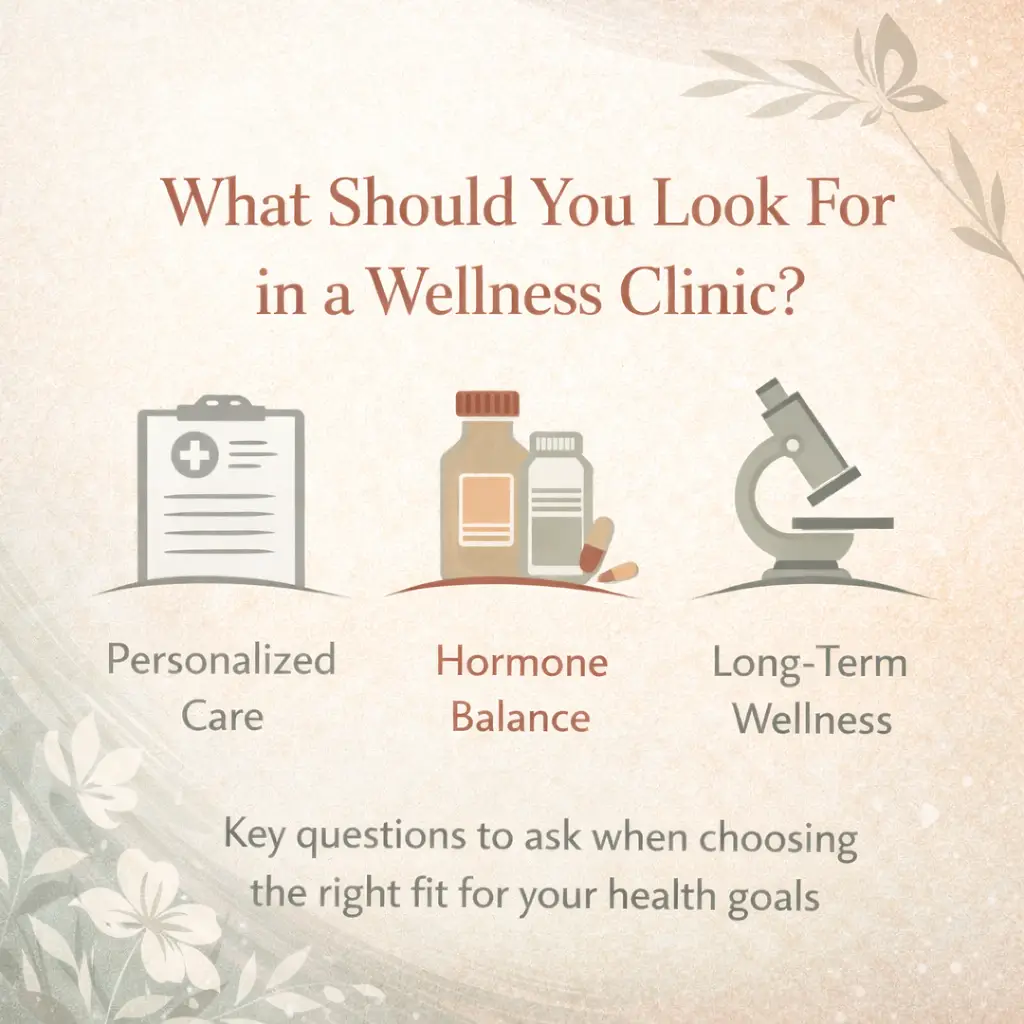
When evaluating a wellness clinic, it’s important to ask:
- Are they addressing root causes or just symptoms?
- Is care personalized or generalized?
- Do they use measurable data to guide treatment?
Clinics that prioritize long-term health typically take a deeper, more individualized approach—looking at how different systems in the body work together.
Hormone Health: A Foundational Piece of Wellness
One of the most overlooked aspects of health is hormone balance.
Hormones play a critical role in regulating:
- Energy levels
- Metabolism
- Mood and mental clarity
- Sleep quality
- Weight management
- Sexual health
When hormones are out of balance, the effects can impact nearly every part of daily life. Despite this, many traditional care models do not fully explore or address hormonal health unless symptoms become severe.
A wellness clinic that emphasizes hormone optimization is often focused on identifying and correcting these imbalances early—before they lead to more complex issues.
Understanding Metabolic Health and Flexibility
Another key factor to consider is how a clinic approaches metabolic health.
Metabolic flexibility refers to your body’s ability to efficiently use energy—whether from carbohydrates or fat. When this system isn’t functioning properly, it can contribute to:
- Weight gain or difficulty losing weight
- Fatigue
- Blood sugar imbalances
- Increased risk of chronic conditions
Clinics that prioritize metabolic health are typically looking beyond calorie-based approaches and focusing on how your body actually processes and uses energy.
Personalized, Data-Driven Care Matters
A major difference between clinics lies in how they develop treatment plans.
A high-quality wellness clinic should:
- Use lab work and diagnostics as a starting point
- Interpret results within the context of your lifestyle and symptoms
- Avoid one-size-fits-all recommendations
- Create a plan tailored specifically to you
This kind of individualized care helps ensure that your treatment is both effective and sustainable.
What to Expect From a Patient-Centered Approach
One of the most important indicators of a strong wellness clinic is how they interact with patients.
A patient-centered approach means:
- You are listened to—not rushed
- Your concerns are taken seriously
- Your results are explained clearly
- You are involved in decision-making
This collaborative model creates a better overall experience and often leads to better long-term outcomes.
Questions to Ask Before Choosing a Wellness Clinic
If you’re unsure where to start, consider asking the following:
- What is your primary focus—symptom relief or long-term health?
- How do you use lab work in your process?
- Are treatment plans personalized?
- Do you address hormone health and metabolic function?
- What kind of support is provided after the initial consultation?
The answers to these questions can give you valuable insight into whether a clinic aligns with your goals.
Finding the Right Fit for Your Health Journey
There’s no one-size-fits-all solution when it comes to health. The right clinic for you will depend on your needs, your goals, and the level of support you’re looking for.
What matters most is finding a provider who:
- Takes the time to understand your full health picture
- Uses a thoughtful, evidence-based approach
- Focuses on long-term wellness—not quick fixes
With the right guidance, improving your health doesn’t have to feel confusing or overwhelming—it can feel clear, structured, and achievable.