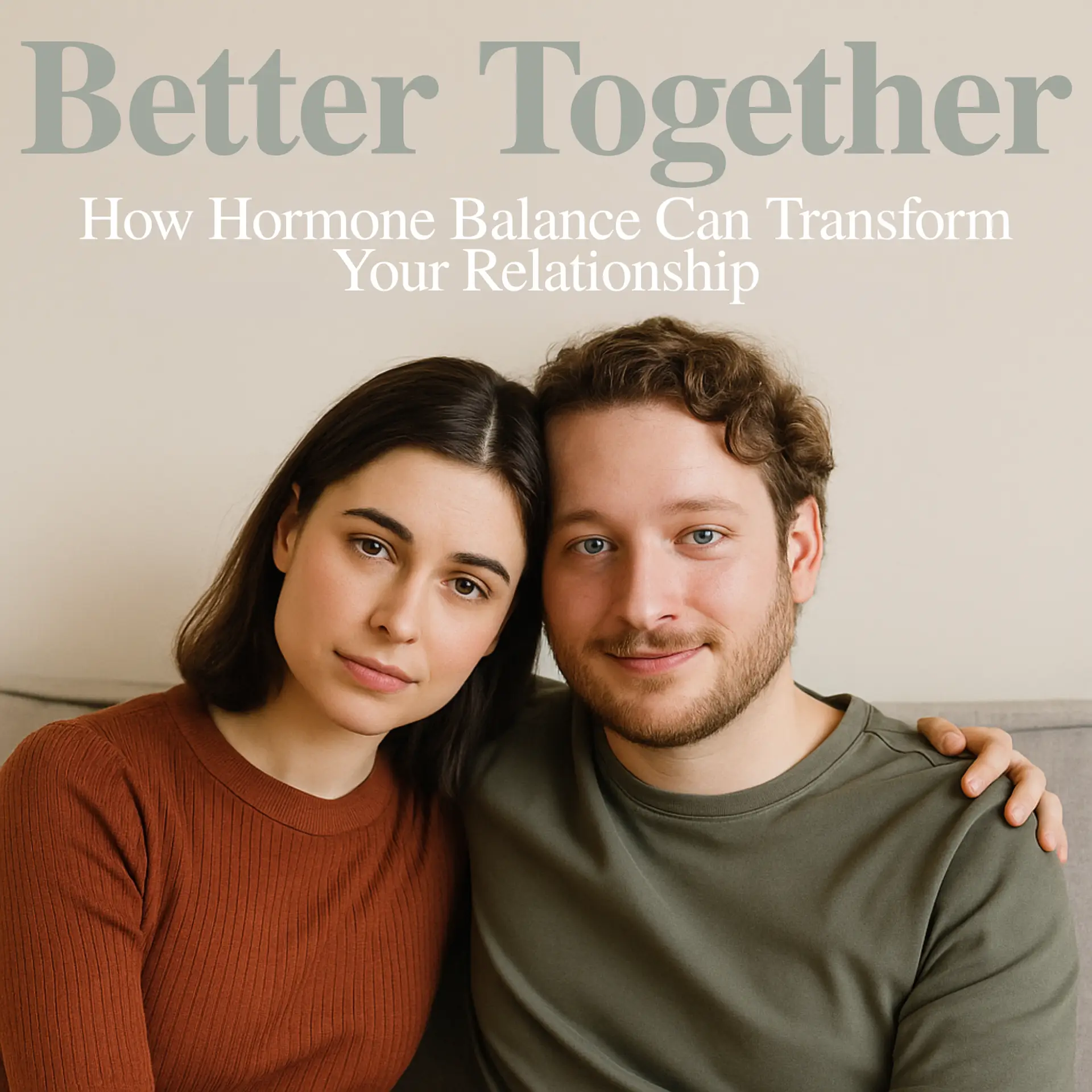
Health is often a solo journey, but when you’re in a partnership, the journey is shared. If one person is struggling with crushing fatigue, unexpected mood swings, or loss of libido, it doesn’t just impact them, it impacts the entire relationship.
It’s easy to mistake these symptoms for emotional or relational problems, but at New Beginnings Wellness, we know the real cause is often hormonal. Addressing hormonal balance together is one of the most powerful steps a couple can take toward a happier, healthier partnership.
The Invisible Wall: How Hormones Affect Connection
Your hormones are the operating system of your mood and connection. When they are out of balance, they create an “invisible wall” between partners:
-
- Low Libido & Intimacy Issues: For men, a gradual drop in Testosterone can extinguish desire. For women, fluctuating Estrogen and Progesterone can cause discomfort and a total loss of interest in intimacy. These are physical issues that require a physical solution.
-
- Mood Swings & Irritability: Unstable hormones can make one partner feel less patient and more easily frustrated with the other.
-
- The Energy Gap: Chronic fatigue (a symptom of imbalance) leads to less shared activity, less shared joy, and a disconnect in shared interests.
Phase 1: Supporting Them BEFORE Getting Help
This is the critical phase where empathy and investigation matter most.
| Support Action | Why It Matters |
| Validate Their Symptoms | Don’t say, “You’re just stressed.” Say, “I see you’re struggling, and I believe you. Let’s find the root cause.” This removes blame. |
| Help with the Investigation | Offer to do the research, look at the NBW website, or help schedule the initial consultation. Taking on the administrative burden is huge. |
| Prioritize Patience | Recognize that until their hormones are addressed, their moods and energy are not entirely within their control. This protects the relationship from unnecessary conflict. |
Phase 2: The Transformation: Supporting Them AFTER Hormonal Balance
Once treatment starts and balance is restored, your partner will begin to feel different in a great way, and the relationship shifts, too!
| After Hormone Balance, Support Looks Like This | The Relationship Benefit |
| Celebrate the Change | Acknowledge their positive transformation. “I love seeing your energy back!” This reinforces their commitment to health. |
| Integrate New Energy | Your partner will have renewed energy and motivation. Be ready to join them on those new hikes, date nights, or social activities they were too tired for before. |
| Embrace Revived Intimacy | With physical symptoms (libido, discomfort) resolved, intimacy will naturally revive. Focus on open communication and rediscovering connection at this exciting stage. |
Our Approach: A Shared Wellness Journey at NBWC
The best part about treating hormone imbalance is that success is often mutual. When a couple gets healthy together, the results multiply: renewed energy, better moods, and revived intimacy.
At New Beginnings Wellness Clinic, we are here to support your health journey as a couple. We understand the physical science and the human impact. Our clinic provides a warm, non-judgmental environment where we listen and guide you every step of the way, making your health journey a positive and uplifting experience.
Ready to transform your health and your relationship?
Contact us today to schedule a consultation. Call Us: (419) 847-3458 or, visit our Contact Page: nbwclinic.com/contact-us