Do you feel like you’re always “on”?
That constant state of being overwhelmed, worried, or just plain exhausted is more than just a feeling, it’s a hormonal state.
In our busy world, stress isn’t just a mental challenge; it’s a profound physical one. The key player in this physical response is the hormone Cortisol, often called your body’s main stress messenger. At New Beginnings Wellness, we know that until you address the impact of chronic stress, true wellness will always be just out of reach.
What Is Cortisol? Your Body’s Built-in Alarm
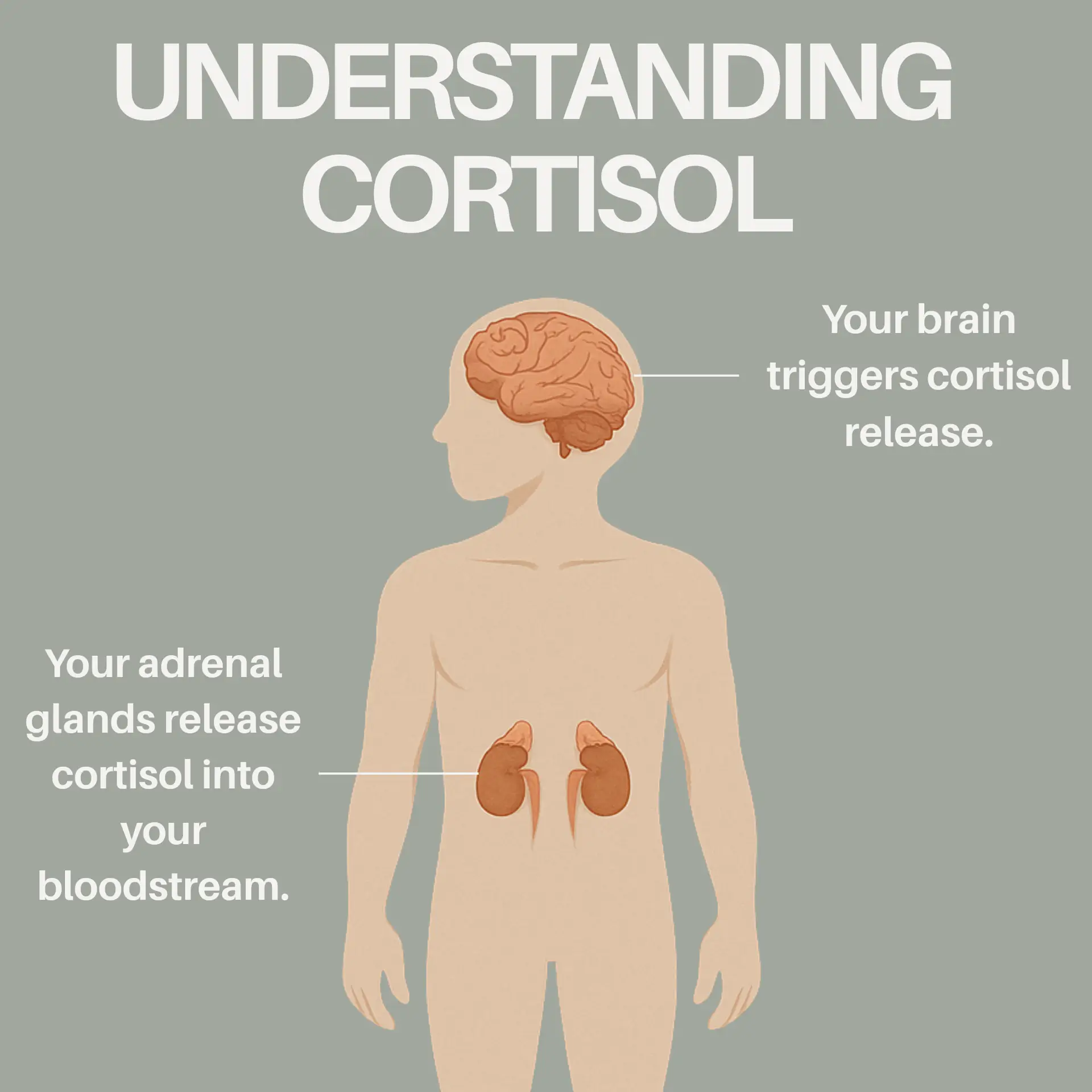
Cortisol is a vital hormone produced by your adrenal glands. When you face a perceived threat (a looming deadline, a sudden stop in traffic, or running from a saber-toothed tiger), your body releases cortisol as part of the “fight or flight” response.
In the short term, cortisol is your friend. It gives you a surge of energy and focus. The problem is, your body treats a work email the same way it treats a tiger, but without the physical relief of running away. This leads to chronic stress, which forces your cortisol levels to stay high all the time.
The Problem with a Constantly Ringing Alarm
When cortisol stays elevated, it begins to wreak havoc on nearly every system in your body, directly leading to the symptoms that bring people to our clinic:
1. The Stress-Belly Connection
High cortisol actively encourages your body to store fat, especially in the abdominal area. Cortisol signals that the body is in a state of emergency, which prompts it to store energy (fat) for future survival. Even if you are eating well and exercising, elevated cortisol can counteract those efforts, making that stubborn belly fat almost impossible to lose.
2. Stealing from the System
Chronic stress doesn’t just raise cortisol; it depletes the resources needed for other vital hormones. Your body will prioritize making life-saving cortisol over making sex hormones and supporting your thyroid. This hormonal imbalance can lead to:
- Low libido and sexual health issues. Chronic, high cortisol is the body’s priority. This often leads to a phenomenon called “pregnenolone steal,” where the building blocks for sex hormones like Testosterone and Estrogen are diverted to produce more cortisol instead. This results in a direct drop in your libido and sexual function.
- Worsening of thyroid problems. Elevated cortisol actively interferes with your body’s ability to convert the inactive thyroid hormone (T4) into its active, usable form (T3). This conversion problem means your body can’t properly regulate metabolism and energy, even if your standard thyroid numbers look okay.
3. The Sleep and Energy Crash
Cortisol is naturally highest in the morning to wake you up and lowest at night to let you sleep. When you have chronic stress, this natural rhythm gets scrambled. Your cortisol can stay high at night, making it difficult to fall or stay asleep, and then crash during the day, leaving you feeling utterly exhausted.
Regaining Control: The NBW Approach
While deep breathing and yoga are helpful tools, they are often not enough to correct a severe hormonal imbalance caused by years of chronic stress.
At New Beginnings Wellness, we use advanced lab testing to measure your cortisol levels throughout the day (your cortisol curve). This gives us a true understanding of how your stress is impacting your body. We then create a personalized plan that addresses the root cause, which may include targeted nutritional support, lifestyle coaching, and bioidentical hormone support to repair the systems that stress has sabotaged.
Ready to turn off the stress alarm and start balancing your hormones?