
Life After GLP-1s: How to Keep the Weight Off When the Medication Stops

GLP-1 medications are powerful tools for weight loss, but what happens when you stop taking them? Without a proper exit strategy, rebound weight gain is almost inevitable. Discover how preserving lean muscle mass, optimizing your foundational hormones, and utilizing targeted peptide therapy can help you keep the weight off for good.
The Cost of “Pushing Through It”: Why Ignoring Your Fatigue is Damaging Your Long-Term Health

Hustle culture tells you to drink more coffee and push through the pain, but ignoring chronic fatigue is like covering up a check engine light. Discover the biological cost of running on fumes, how chronic stress leads to severe adrenal burnout and cellular aging, and how root-cause hormone optimization can help you reclaim your genuine energy.
PCOS and the Stubborn Scale: Reversing Insulin Resistance and Hormonal Weight Gain

If you have PCOS, being told to “just lose weight” is incredibly dismissive and unhelpful. Discover why PCOS weight gain is driven by severe insulin resistance and excess androgens, why traditional diets actively fail, and how a root-cause hormonal approach can finally help you move the scale and reclaim your health.
The Reality of Andropause: Why Men Experience “Menopause” Too

While society openly discusses female menopause, the gradual decline of male hormones—known as andropause—is often dismissed as a midlife crisis. Discover the physical, mental, and emotional realities of “male menopause,” why ignoring it is dangerous for your long-term health, and how TRT can help you reclaim your vitality.
Wired But Tired: The Hidden Epidemic of Cortisol Dysregulation
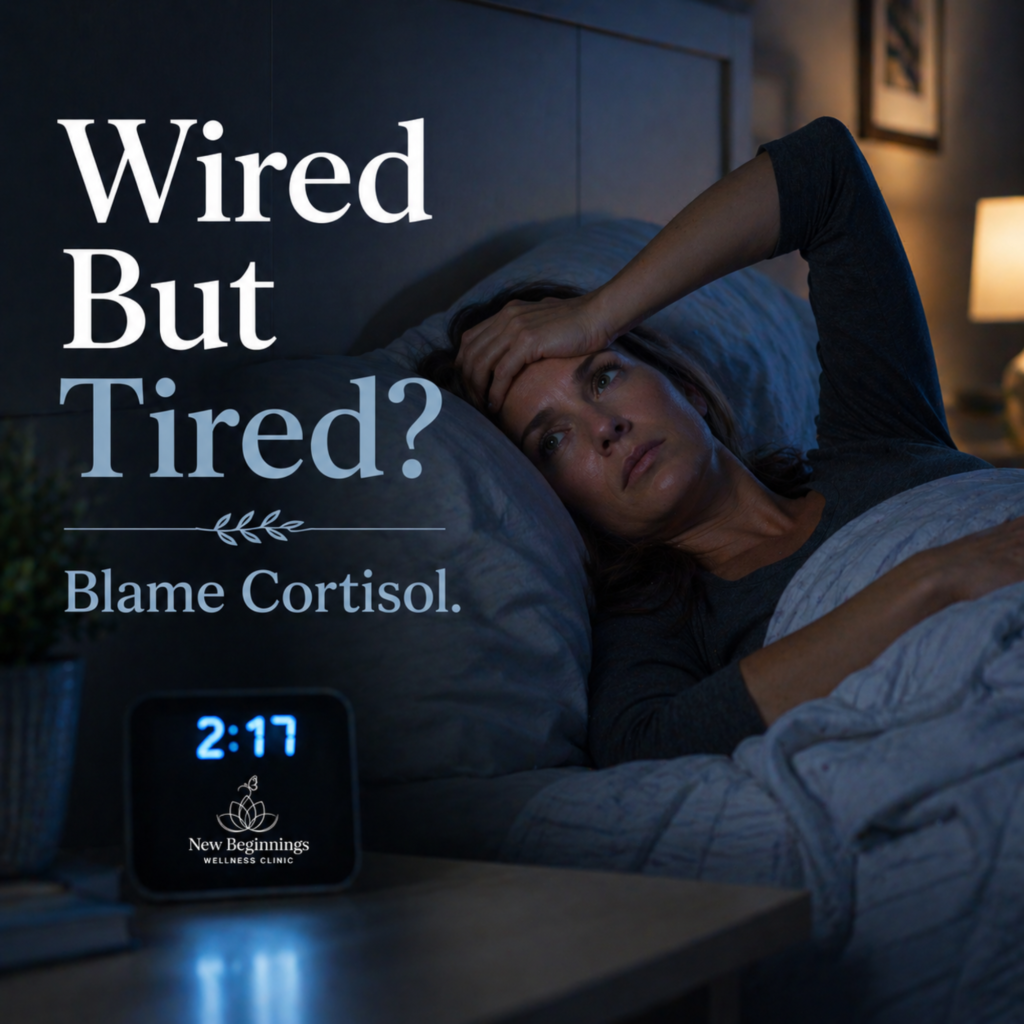
If you drag yourself through the day only to lay wide awake the minute your head hits the pillow, your sleep hygiene isn’t the problem—your hormones are. Discover the science behind a disrupted cortisol curve, how chronic stress flips your natural sleep-wake cycle, and the root-cause approach to resetting your adrenal health for deep, restorative rest.
The “Roommate Phase”: How Hormonal Decline Sabotages Intimacy (And How to Fix It)

When a couple’s sex life fades, they often blame themselves or assume they are just falling out of love. But the transition into the “roommate phase” is rarely a psychological failure; it is a physiological hormone deficiency. Discover how low testosterone, depleted estrogen, and chronic stress sabotage physical intimacy for both men and women, and how hormone optimization can restore your deep connection.
What to Expect: The TRT Timeline from First Consult to Feeling Like Yourself Again

Deciding to seek help for low testosterone is a massive step, but when will you actually start feeling better? From the initial lifting of brain fog in the first few weeks to the physical transformations seen at the six-month mark, discover the true timeline of Testosterone Replacement Therapy and why ongoing, personalized care matters.
Is It Depression, or Is It Low T? The Hidden Mental Health Crisis in Men

For many men, creeping feelings of apathy and irritability are quickly labeled as midlife burnout or depression. Discover how low testosterone closely mimics these mental health symptoms, why standard “normal” lab ranges are misleading, and how getting to the physiological root cause can help you reclaim your drive.
Protecting Your Muscle: Why Weight Loss Requires Hormone Support

The goal of weight loss shouldn’t just be a smaller number on the scale; it should be achieving a healthier body composition. Discover the dangers of rapid muscle loss during dieting, why muscle is your ultimate metabolic engine, and how combining hormone optimization with targeted peptide therapy ensures you lose stubborn fat while protecting your strength.
The Weight Loss Plateau: When Your Thyroid and Adrenals Hit the Brakes

If you are eating clean and exercising consistently but the scale refuses to budge, your willpower isn’t the problem—your hormones are. Discover the biological survival mechanisms behind the dreaded weight loss plateau, how high cortisol and a suppressed thyroid hit the metabolic brakes, and how to safely release them.